



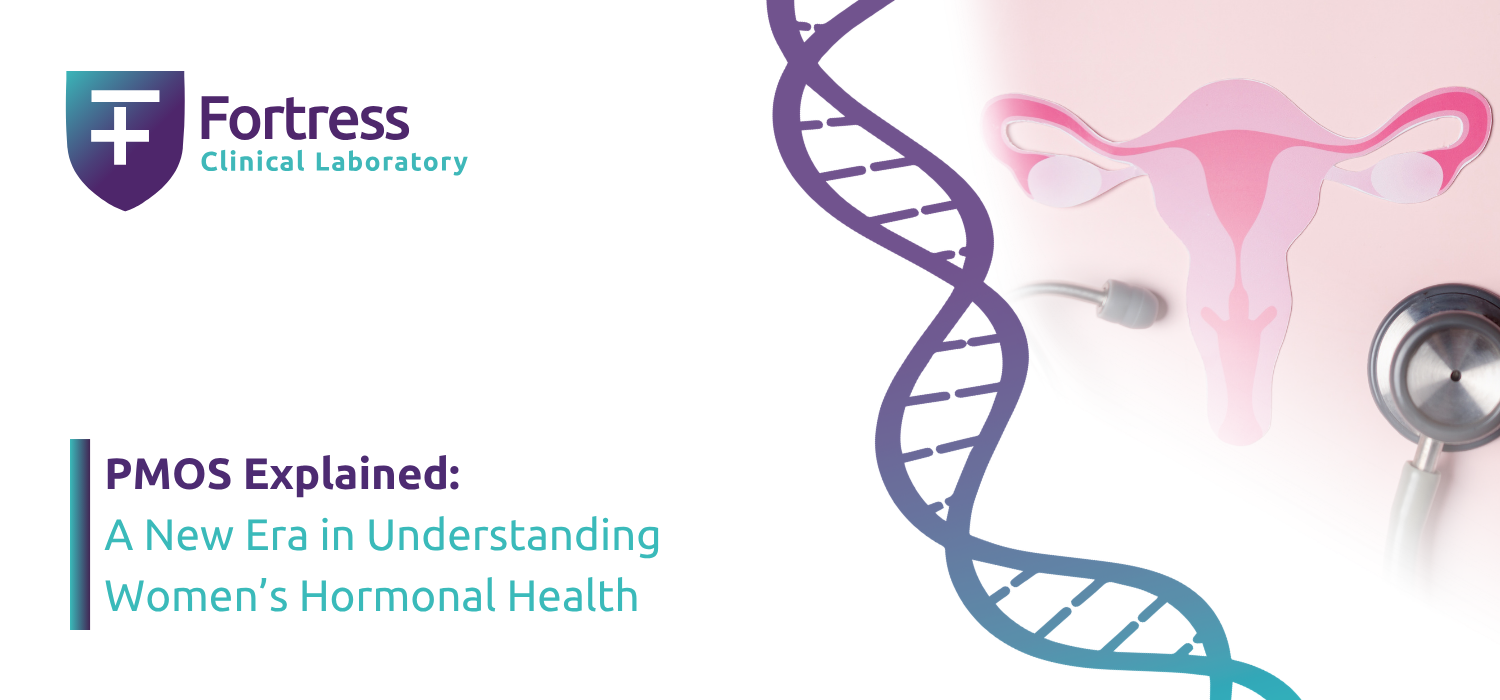
PMOS Explained: A New Era in Understanding Women’s Hormonal Health
The condition formerly known as Polycystic Ovary Syndrome (PCOS) is now called Polyendocrine Metabolic Ovarian Syndrome (PMOS). The change marks an important step forward in improving awareness, diagnosis, and patient care.
Published in The Lancet, the updated terminology highlights that the condition involves far more than ovarian cysts alone. Many healthcare professionals considered the term “PCOS” inaccurate and limiting because it did not fully reflect the endocrine and metabolic features of the condition. This often contributed to delayed diagnosis, fragmented care, reduced research focus, and ongoing stigma.
The new name reflects a broader understanding of the condition and its impact on long-term health. PMOS can affect reproductive, hormonal, and metabolic health in different ways. Researchers have linked the condition to insulin resistance, metabolic dysfunction, cardiovascular risk factors, and mental health challenges. The updated terminology aims to improve recognition of the condition and encourage more comprehensive patient care.
PMOS affects approximately 1 in 8 women worldwide, making it one of the most common endocrine disorders affecting women of reproductive age. Despite its prevalence, many patients still experience delays in diagnosis because symptoms can vary significantly between individuals.
International diagnostic guidelines state that adults receive a diagnosis when at least two of the following three criteria are present:
- Infrequent or absent ovulation (oligo-ovulation) – leading to irregular periods and fertility challenges
- Hyperandrogenism – elevated androgen hormones linked to acne, excess hair growth, and metabolic complications
- Polycystic ovaries – identified through ultrasound or elevated Anti-Müllerian Hormone (AMH) levels
Laboratory testing plays an important role in supporting diagnosis and patient management.
At Fortress Clinical Laboratory (FCL), we support clinicians with specialist testing profiles that help identify PMOS and guide treatment decisions, including:
✔ Female Hormonal Health Test Profile – supporting investigation of ovulatory dysfunction
✔ SHBG & Testosterone testing – aiding assessment of hyperandrogenism
✔ AMH testing – supporting evaluation of polycystic ovarian morphology
As understanding of women’s hormonal health continues to evolve, accurate terminology and early diagnostic testing remain essential for improving patient outcomes. Greater awareness of PMOS may also support earlier intervention, more personalised care, and improved long-term health management.
Learn more about our women’s health testing services at Fortress Clinical Laboratory: https://fortressclinical.com/
Read the Lancet publication discussing the PMOS terminology update here:
https://www.thelancet.com/journals/lancet/article/PIIS0140-6736(26)00717-8/fulltext