



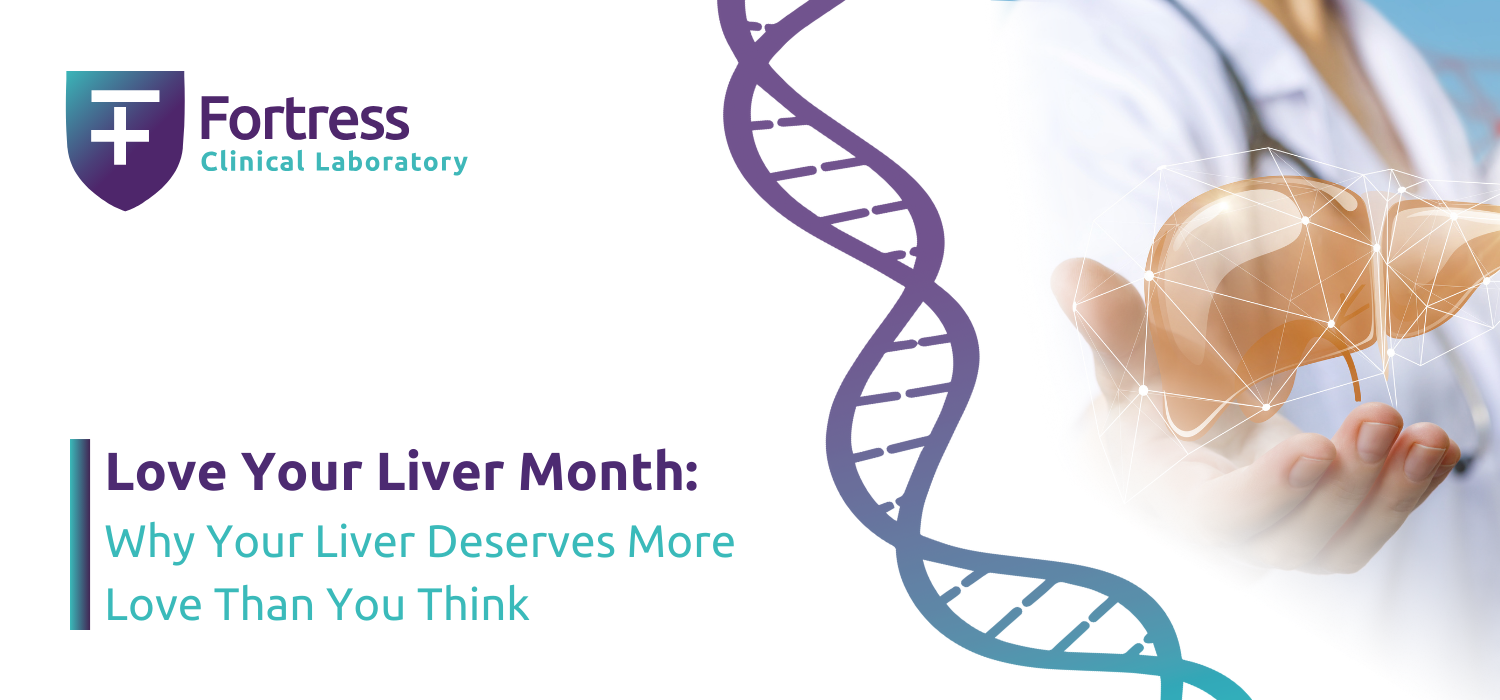
Love Your Liver Month: Why Your Liver Deserves More Love Than You Think
Every January, Love Your Liver Month shines a spotlight on one of the body’s most hardworking – and often overlooked – organs. While the heart gets the romance and the brain gets the glory, the liver quietly performs more than 500 essential functions every single day. It filters toxins, processes nutrients, supports immunity, regulates hormones, and even helps your body store energy for when you need it most. Yet despite its importance, many people don’t realise how vulnerable the liver can be, or how easily small lifestyle habits can affect its long term health.
As a clinical diagnostics laboratory, we see first-hand how early detection and routine monitoring via biomarker testing such as AST, ALT, ALP, GGT, & LDH, can make a meaningful difference. This month is the perfect opportunity to understand your liver a little better, recognise the signs that it may need support, and learn how simple changes can help keep it functioning at its best.
Why the Liver Matters More Than You Realise
The liver is the body’s internal processing plant. Everything you eat, drink, breathe, or absorb through your skin eventually passes through it. It breaks down alcohol, medications, and environmental chemicals; converts food into usable energy; produces bile to help digest fats; and stores essential vitamins and minerals.
Unlike many organs, the liver has an extraordinary ability to regenerate. But that doesn’t mean it’s invincible. Long term strain – from alcohol, excess weight, viral infections, or certain lifestyle factors – can gradually damage liver cells. Over time, this may lead to inflammation, scarring, or reduced function.
The challenge is that liver disease often develops silently. Many people don’t experience noticeable symptoms until the condition has progressed. That’s why awareness, prevention, and early testing are so important.
Common Causes of Liver Strain
Liver health is influenced by a combination of lifestyle, environment, and genetics. Some of the most common contributors to liver stress include:
1. Alcohol Consumption
The liver processes alcohol, but excessive or frequent drinking can overwhelm it. Over time, this may lead to inflammation or scarring. Fortress Clinical Laboratory specific biomarker testing for GGT, as part of the Liver Health Profile can help detect this inflammation or scarring.
2. Diet and Weight
A diet high in sugar, saturated fats, or ultra processed foods can contribute to fat build-up in the liver. Non alcoholic fatty liver conditions are increasingly common and often linked to lifestyle factors.
3. Viral Infections
Hepatitis viruses can affect liver function. Many people don’t realise they’ve been exposed, which makes screening especially valuable. Fortress Clinical Laboratory Sexual Health Screening panel can be used to screen for Hepatitis A, B, & C.
4. Medications and Supplements
Some prescription drugs, over the counter painkillers, and even herbal supplements can place additional strain on the liver when used frequently or incorrectly.
5. Environmental Toxins
Everyday chemicals — from cleaning products to pollutants – are processed by the liver. While the body is designed to handle small amounts, long term exposure can add to the overall burden.
Understanding these factors helps people make informed choices and recognise when testing or monitoring may be beneficial.
Spotting the Signs: When the Liver May Need Support
Because liver disease often develops quietly, many people don’t notice symptoms until later stages. However, some general signs that may indicate the liver is under strain include:
• Persistent tiredness or low energy
• Abdominal discomfort
• Changes in appetite
• Unexplained weight changes
• Yellowing of the skin or eyes (jaundice)
• Dark urine or pale stools
These symptoms can have many causes, not just liver related ones. But they are reminders that paying attention to your body – and seeking professional advice when something feels off – is always worthwhile.
How Diagnostic Testing Supports Liver Health
Clinical laboratory testing plays a key role in understanding liver function. A simple blood test can measure enzymes and proteins that reflect how well the liver is working. These tests can help identify inflammation, monitor long term conditions, or provide reassurance that lifestyle changes are having a positive effect.
For many people, liver testing is part of routine health monitoring, especially if they:
• Drink alcohol regularly
• Have a family history of liver conditions
• Take long term medications
• Live with metabolic conditions
• Have been exposed to viral infections
• Want a clearer picture of their overall health
Testing doesn’t diagnose specific conditions on its own, but it provides valuable information that healthcare professionals can use to guide next steps.
Small Changes That Make a Big Difference
The good news is that the liver responds remarkably well to positive lifestyle changes. Even small adjustments can support long term health. Here are some general habits that benefit most people:
1. Balanced Eating
Choosing whole foods, fruits, vegetables, lean proteins, and healthy fats helps reduce strain on the liver. Limiting sugary drinks and ultra processed foods can also be beneficial.
2. Staying Active
Regular movement supports overall metabolic health and helps maintain a healthy weight – both important for liver function.
3. Mindful Drinking
Being aware of alcohol intake and taking regular alcohol free days can help reduce liver stress.
4. Staying Hydrated
Water supports the body’s natural detoxification processes.
5. Being Cautious with Medications
Following dosage instructions and speaking with a healthcare professional before combining medications or supplements is always wise.
6. Prioritising Regular Check Ups
Routine health checks, including liver function tests at Fortress Clinical Laboratory when appropriate, help catch potential issues early.
These steps aren’t about restriction – they’re about giving your liver the support it needs to keep doing its essential work.
This Love Your Liver Month, Take a Moment for Your Health
Your liver works tirelessly behind the scenes, often without thanks or recognition. Love Your Liver Month is a reminder that caring for this vital organ doesn’t require dramatic changes – just awareness, balance, and a willingness to check in with your health.
Whether you’re curious about your liver function, making lifestyle changes, or simply wanting to understand your body better, diagnostic testing can offer clarity and peace of mind. And while testing is only one part of the picture, it’s a powerful tool for early detection and long term wellbeing.
Your liver looks after you every day. This month, take a moment to look after it too.
Health Professionals, reach out to our team at Fortress Clinical Laboratory for further information, and lets collaborate to put your clients health first! Because Clinical Diagnostics: It’s in our DNA.