



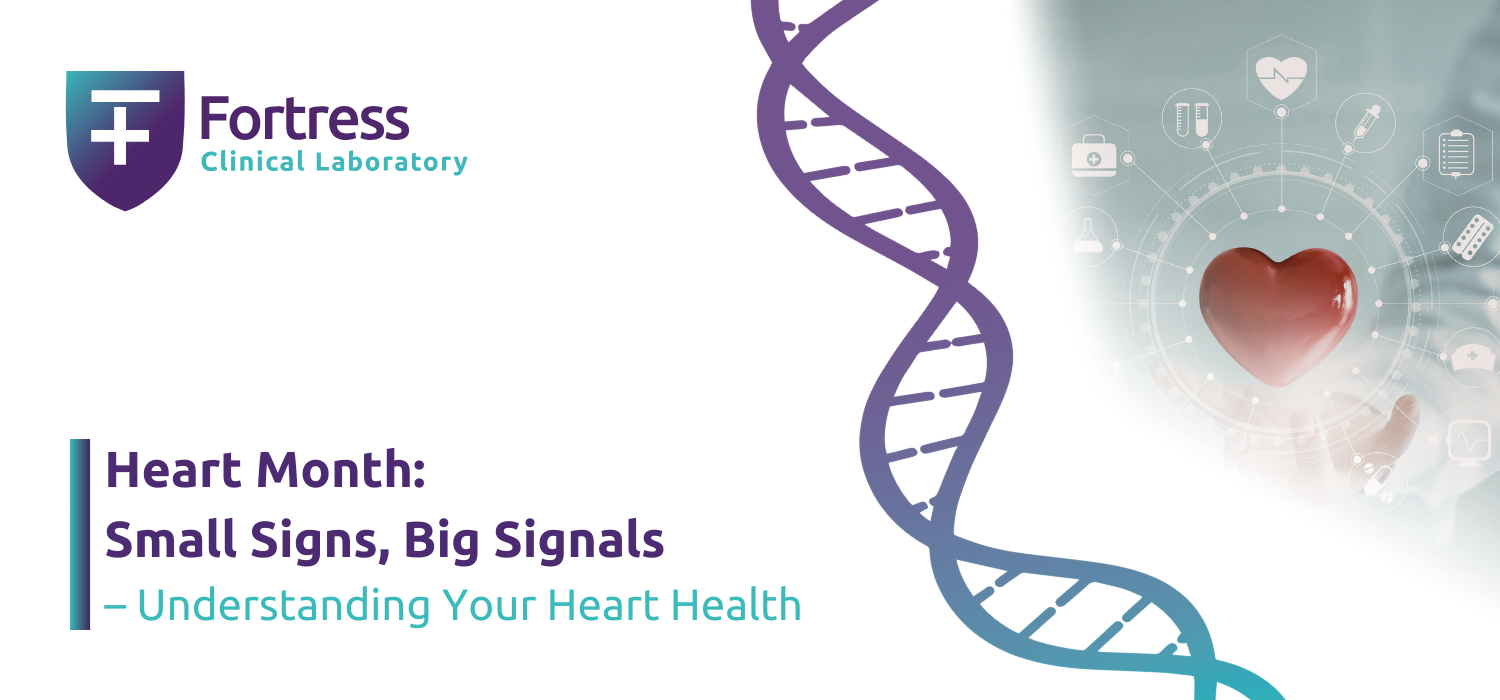
Heart Month: Small Signs, Big Signals – Understanding Your Heart Health
Most people don’t think about their heart unless something feels wrong. It beats around 100,000 times every day, quietly supporting every movement, breath, and thought without asking for attention. Heart Month is a reminder that waiting for symptoms is often too late – and that understanding your heart health early can make a lasting difference.
At Fortress Clinical Laboratory, we often see how routine testing and awareness can help identify risk factors before they develop into serious cardiovascular conditions. Heart Month is not just about raising awareness of heart disease; it is about encouraging people to check in with their health before problems arise.
The Silent Nature of Heart Disease
Unlike injuries or infections that show immediate symptoms, heart disease can develop slowly over many years. Changes inside blood vessels or cholesterol levels may progress without noticeable warning signs.
This is why cardiovascular conditions are sometimes described as “silent.” Many people only become aware of a problem after experiencing symptoms such as chest pain, breathlessness, or fatigue. By that stage, the condition may already require medical treatment or lifestyle adjustments.
Early monitoring helps shift the focus from reaction to prevention.
The Everyday Factors That Shape Heart Health
Heart health is rarely influenced by a single cause. Instead, it is shaped by a combination of lifestyle habits, environmental influences, and genetic factors.
Diet plays a significant role, particularly when meals regularly contain high levels of saturated fats, processed foods, or excessive sugar. Physical inactivity can reduce cardiovascular efficiency, while long-term stress may impact blood pressure and overall heart function. Smoking and excessive alcohol consumption also remain well-recognised contributors to cardiovascular risk.
Family history can further increase susceptibility, making routine monitoring especially valuable for individuals with inherited risk factors.
Listening to Early Warning Signals
Although heart conditions can develop gradually, the body often provides subtle signals that should not be ignored. Persistent tiredness, reduced exercise tolerance, or unexplained breathlessness may all indicate that the cardiovascular system is working harder than it should.
Occasional dizziness, irregular heartbeat sensations, or discomfort in the chest or upper body are also signs that warrant professional medical advice. While these symptoms do not always indicate heart disease, they highlight the importance of early investigation.
The Role of Diagnostic Testing in Prevention
Laboratory testing offers an effective way to understand cardiovascular health beyond visible symptoms. Blood tests can provide insight into cholesterol levels, metabolic health, and inflammation markers that may influence cardiovascular risk.
At Fortress Clinical Laboratory, cardiovascular-related testing supports healthcare professionals by providing reliable diagnostic information that helps guide patient care. Lipid profiles, metabolic biomarkers, and related screening tests can help identify risk factors early and support ongoing monitoring.
Testing is not about diagnosing illness alone; it also provides reassurance, tracks progress, and supports informed healthcare decisions.
Supporting Heart Health Through Everyday Choices
Protecting heart health is often about consistency rather than dramatic change. Regular movement, balanced nutrition, and maintaining a healthy weight can all support cardiovascular function. Managing stress, prioritising sleep, and reducing harmful lifestyle habits can further reduce long-term risk.
Routine health screening plays an equally important role. Combining healthy habits with professional monitoring provides a stronger foundation for long-term wellbeing.
Making Heart Health a Priority
Heart Month is a valuable reminder that prevention is one of the most effective approaches to protecting cardiovascular health. Awareness, early testing, and informed lifestyle choices all contribute to improved outcomes and better quality of life.
At Fortress Clinical Laboratory, we support this proactive approach with cardiovascular diagnostic testing, including lipid profiles and metabolic biomarker testing. These reliable services help healthcare professionals monitor heart health, identify risk factors early, and guide patient care – giving you clarity, peace of mind, and the information needed to make informed health decisions.
Your heart works tirelessly every day. This Heart Month, take a moment to take care of it – and consider how routine testing can support your long-term wellbeing.